Seasonal rhythm for a Vermont roof
Roof care in Vermont follows the calendar. Spring is about evaluation after winter and preparing for rain. Summer brings exposure to sun and storms. Fall focuses on debris and wind, and winter is about snow, ice, and drainage. A steady routine keeps roofs in better shape and reduces surprises.
Spring checks you can plan around
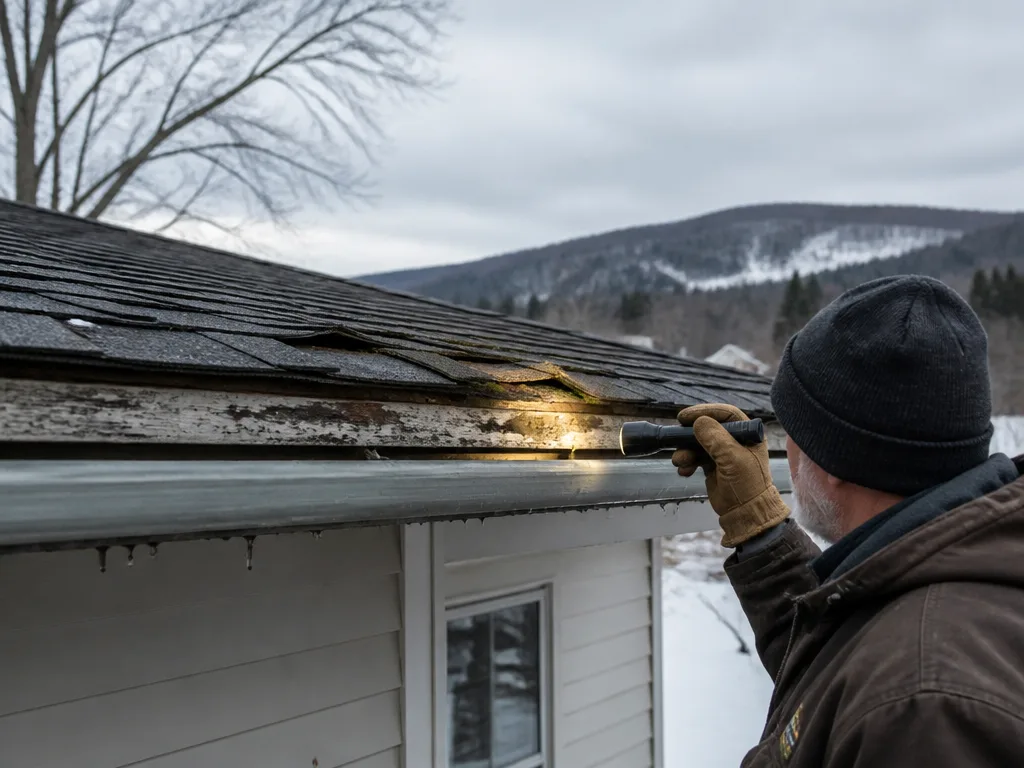
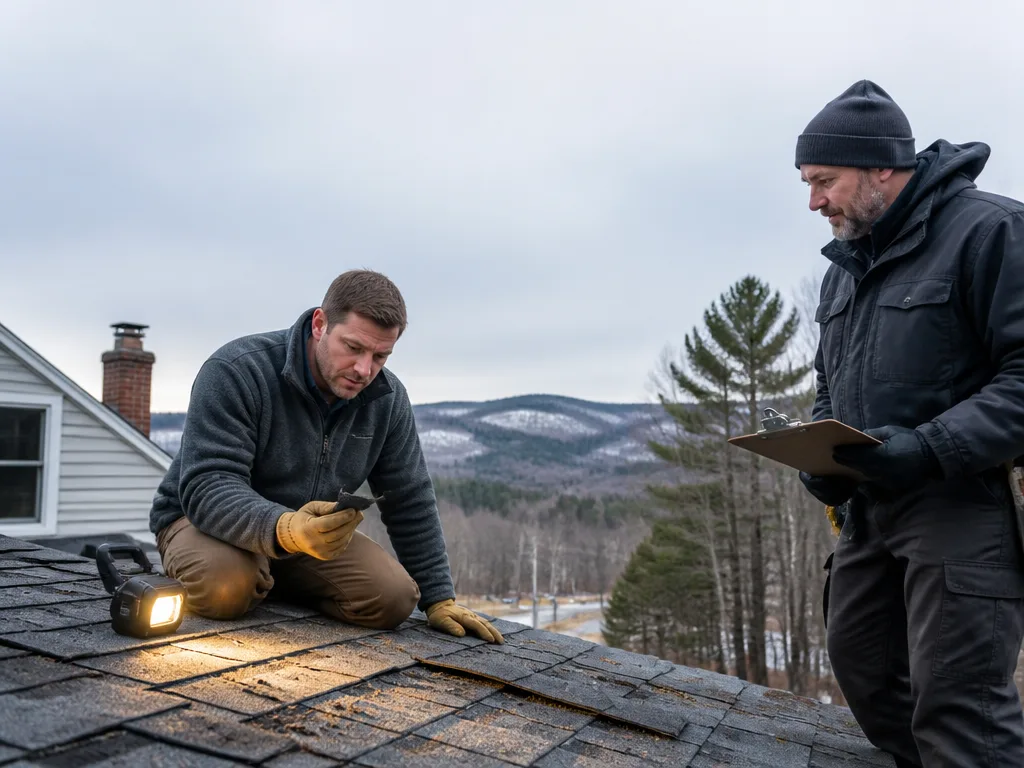
After the snow melts, inspect for ice dam damage, loose shingles, and gutter clogging. Clean gutters and downspouts ensure proper drainage. Look for any soft spots on the roof deck that could indicate water intrusion. If you find wear around flashing, plan for a professional evaluation before storms pick up again.
Inspect attic insulation and ventilation. Proper venting helps prevent moisture buildup that can affect the roof deck. A Vermont crew can assess whether insulation levels meet climate needs and adjust as necessary to keep interior comfort stable during fluctuating spring temperatures.
Summer and early fall maintenance
Summer storms can bring wind and hail that loosen shingles or damage flashing. Do a ground-level inspection after major storms and look for displaced granules in gutters. Clear debris from roof surfaces early to prevent moisture pockets as leaves start to fall. A preventive cleaning can extend roof life and reduce the chances of leaks during fall storms.
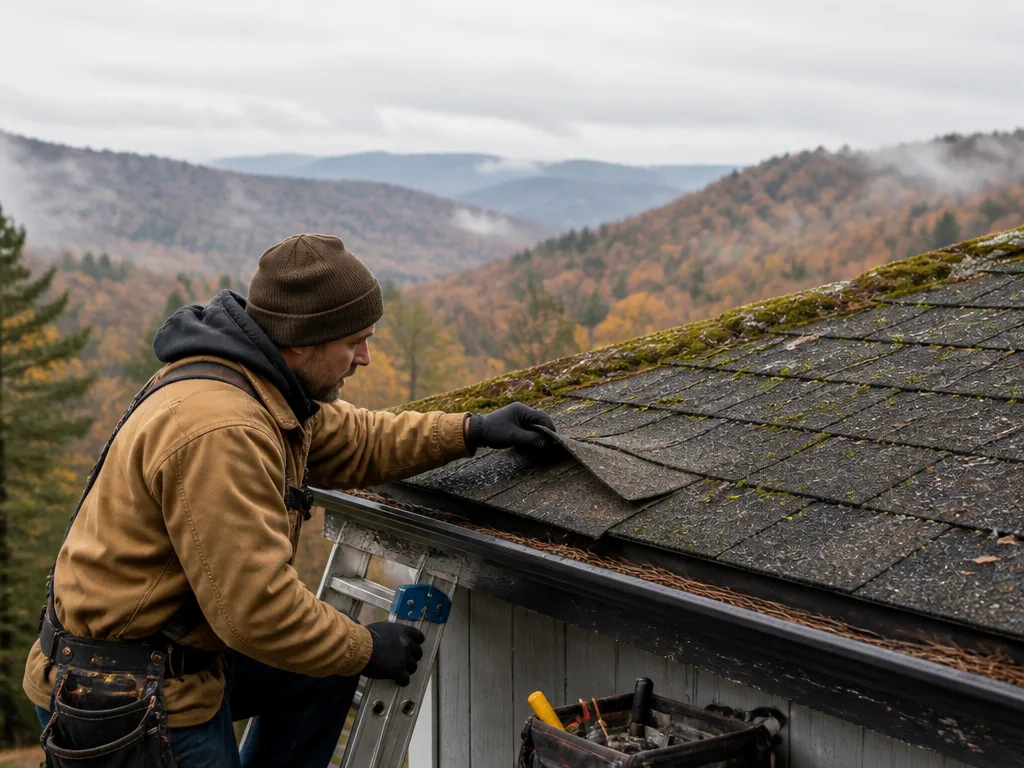
In fall, clear leaves and pine needles from the roof and gutters. Keep an eye on attic temperatures and look for signs of vent blockages. Vermont roofs perform best when ventilation remains balanced with insulation. If you notice repetitive peaks in attic condensation, a pro can help with a targeted fix before cold weather settles in.
Winter readiness and ice dam prevention
Winter is when the roof takes the biggest hit in Vermont. Ice dams are common when heat escapes into the attic and melts snow that refreezes at the eave. Improve insulation and seal air leaks to keep the roof deck cold enough to resist dam formation. Ensure proper attic ventilation to equalize temperatures between the attic and roof surface.
A practical winter plan includes keeping a clear path for snow melt at the eaves, installing heat cables only where needed, and scheduling a pre-season inspection with a Vermont-wide roofing team. A careful plan reduces the risk of interior leaks and minimizes emergency calls during storms.
Why statewide planning matters
Across Vermont, climate varies but the needs are similar. You want a reliable roof that performs through freeze-thaw cycles and weighted snow loads. Vermont Gutter Ice Melt offers state-wide service and clear communication from inspection through repair. A steady maintenance plan helps you avoid the worst winter surprises and keeps your home dry and comfortable all year long.