Know your limits when tackling roof issues
Roof work carries real risks. Vermont homeowners often start with small tasks, but a misstep can lead to costly damage. Here’s a practical approach that keeps safety and long-term results in mind.
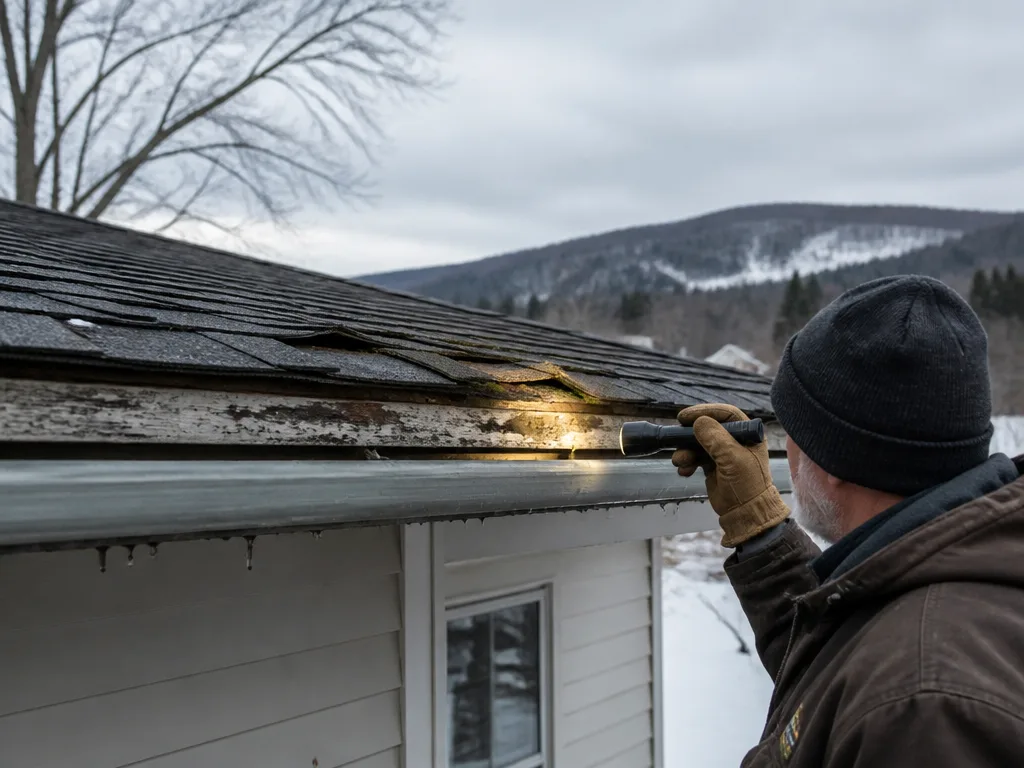
Begin with a simple, safe assessment from the ground. Check for obvious damage like missing shingles, loose flashing, or exposed underlayment. If you can see the problem from a stable spot on the ground, you may handle minor fixes, but avoid stepping onto a wet or icy roof in winter.
DIY tasks that are often okay, with caution
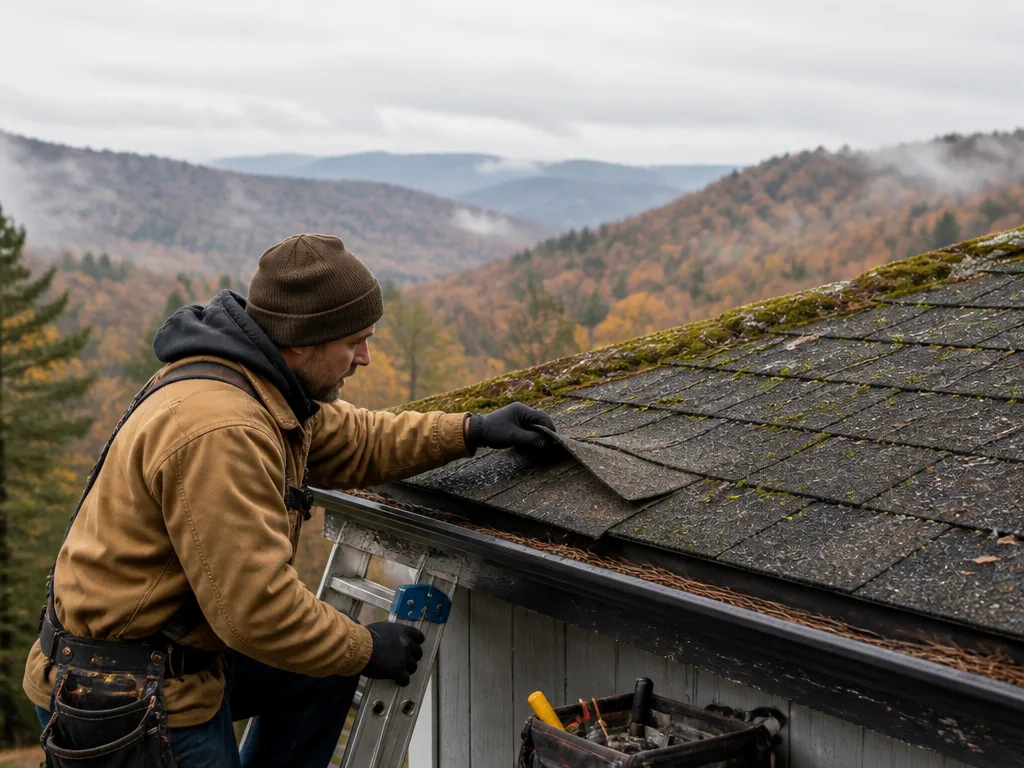
Light maintenance can be done by homeowners, such as clearing debris from the roof surface and cleaning gutters from the ground. Replacing a single, loose shingle from ground level is sometimes doable, but only if you have the right tools and experience. Do not attempt to lift heavy materials or handle flashing repair without proper safety gear and training.
When it comes to anything involving height, roof edges, or flashing around chimneys and vents, it’s smart to call a pro. Vermont weather adds complexity, ice, wind, and variable temperatures require an experienced crew with the right equipment and experience with Vermont’s seasonal conditions.
When to call a professional roofer
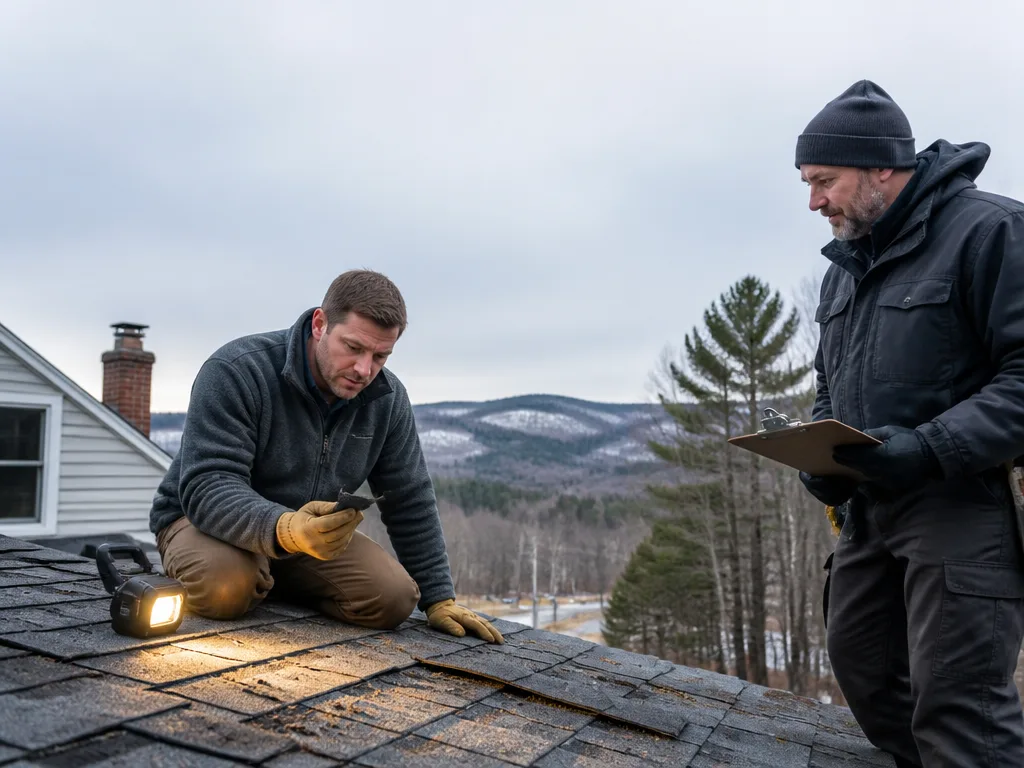
If you see widespread shingle damage, multiple leaks, sagging sections, or persistent interior moisture, call a roofer right away. A pro can perform a comprehensive assessment, protect your attic and interior, and present a repair or replacement plan that suits Vermont weather patterns. Our crews across Vermont bring the right communication and a clear, written scope of work.
Do not delay if winter weather is approaching and you suspect ice dam risk or roof ventilation issues. A pro can help you stage repairs for the cold months and prevent further damage. That’s a smart move for any Vermont home.
Choosing the right approach
Pick a roofer who communicates clearly, provides a transparent estimate, and can explain the impact of seasonal changes on your roof. Vermont Gutter Ice Melt focuses on practical, safe, and durable solutions that fit the statewide climate. A careful plan now saves stress later, especially through long Vermont winters.